
A good software development contract protects you through twelve clauses: scope, milestones and acceptance criteria, timeline, payments, change requests, code ownership, technical handover, confidentiality and data protection, warranty, support, termination and exit, and dispute resolution. If any of these clauses is missing or written in vague terms, you carry a risk on your own that you never had to take.
This article is a practical guide from the point of view of the company buying the software, not legal advice. Use it to know what to ask for and what to request, then review the final wording of the contract with a lawyer before you sign.
What should a software development contract protect you from?
Most disputes on software projects come back to four risks: paying for something other than what you need, a project that runs late with no clear responsibility, finding that you do not own what you paid for, or being left without support after launch. This table sums up the twelve clauses that cover those risks:
| Clause | What it should say | Red flag |
|---|---|---|
| 1. Scope and specification | A written annex listing modules, roles, integrations and what is out of scope | A two-line description such as "an integrated system to run the company" |
| 2. Milestones and acceptance criteria | The deliverables of each phase, how they are tested and a fixed window to approve them | Automatic acceptance on delivery with no testing |
| 3. Timeline and obligations of both parties | Dates for each phase and what the developer needs from you, and when | One final deadline that never mentions your responsibilities |
| 4. Price and payments | Payments tied to accepted phases, not to the passing of time | A large upfront payment with no deliverables against it |
| 5. Change requests | A written request showing the effect of each change on time and cost before it is approved | "Minor changes are free" with no definition of minor |
| 6. Code ownership and rights | A written transfer of economic rights, naming each right, its scope and its term | A licence to use only, or silence on ownership |
| 7. Technical handover | The repository, documentation, server access and accounts in your company's name | Hosting and accounts in the developer's name |
| 8. Confidentiality and data protection | Who can reach your data, for what purpose, and what happens to it when the contract ends | A one-line confidentiality clause that protects only the vendor |
| 9. Warranty | A period after acceptance in which any defect in the agreed scope is fixed at no cost | No warranty, or a warranty that starts on the signing date |
| 10. Support and maintenance | The support scope, the response time for each level of issue, and its price | "Technical support available" with no times or prices |
| 11. Termination and exit | What you pay and what you receive if the project stops halfway | No right to any code until the whole project is paid in full |
| 12. Dispute resolution | The governing law, the steps to resolve a dispute, the competent forum and the prevailing language | No mechanism at all, or jurisdiction in another country |
If you are still comparing quotes before the contract stage, start with our guide to red flags in software development quotes, then come back to this list when you negotiate the contract.
How do you make sure the contract gets you what you agreed on?
The first three clauses define what you will receive, when, and how you judge it. They have the biggest effect on whether the project succeeds:
- Make the scope a detailed annex, not a general paragraph. List the modules, roles, core screens, integrations and reports, and state clearly what is out of scope. Disputes usually start with something each side assumed was obvious.
- Define acceptance before you start. Each phase needs specific deliverables, agreed test cases and a window to approve them or send comments, such as ten working days. And agree in advance what happens if that window closes without a reply.
- Tie the timeline to your own obligations. Handing over data and login details, answering questions and your testers' time are all dates in the plan. When they slip, the dates that depend on them move too, which is fair to both sides.
To estimate a realistic duration for each phase before you write it into the contract, see our guide to how long custom software takes to build.
How do you tie payments to what you actually receive?
The simple rule is that money is paid for something you can see working. So tie each payment to an accepted phase: one payment at signing that covers discovery and design, one payment as each development phase is accepted, and a final payment after launch and full technical handover. The percentages themselves are negotiated according to the size and risk of the project.
The change request clause matters as much as the payment schedule. Every real project changes while it is being built, and the aim is not to block change but to manage it: a written request, an estimate of its effect on time and cost, and your approval before work starts. Without this clause you reach the end of the project with an invoice you did not expect, or a dispute over what was in scope in the first place. Our guide to custom ERP and CRM development cost lists the pricing questions to ask before you sign.
Who owns the code and the data after delivery?
This is the clause most often written vaguely, and the one that costs most when the vagueness surfaces late. As things stand (November 2026), Egypt's Intellectual Property Rights Law No. 82 of 2002 protects computer programs as works, and its Article 149 requires that any transfer of an author's economic rights be in writing and identify, expressly and in detail, each right transferred, its scope, purpose, term of exploitation and territory. Rights that are not expressly assigned stay with their owner.
So do not settle for a sentence such as "the system belongs to the client". Ask for a clause that transfers to you the economic rights in the code written for your project on payment, and that names those rights in detail. Two points deserve a clause of their own:
- Components the developer already owns. Many companies reuse internal libraries and frameworks across their projects. That is normal, as long as the contract gives you a permanent, irrevocable licence to use them inside your system.
- Open-source components. Each component comes with a licence that has its own terms. Ask for a list of the components used and their licences, so you are not surprised by a restriction on using or selling your system.
Ownership goes hand in hand with technical handover: the full code repository, the documentation, access to servers and databases, and hosting, domain and paid accounts in your company's name from day one. Confidentiality should be mutual, and should state who can reach your data, for what purpose, and what happens to it when the contract ends. If the system will process personal data about your customers or staff, ask your lawyer about both parties' obligations as things stand (November 2026) under Egypt's Personal Data Protection Law No. 151 of 2020.
What happens after launch, or if the project stops?
Three clauses define your relationship with the system and the developer once the build ends or stops:
- Warranty. A period that starts on the acceptance date, not the signing date, during which defects in the agreed functions are fixed at no cost. The warranty does not cover new features or faults caused by changes someone else made.
- Support and maintenance. Often a separate contract that sets the support scope, the response time for each level of issue, working hours and the monthly or yearly price. What matters is knowing that cost before you sign for the build, not after.
- Termination and exit. If you decide to stop the project halfway, or the developer falls seriously behind, what do you pay and what do you receive? A good clause gives you the code and documentation for everything you have paid for up to termination, and sets a period for handing knowledge over to another team.
How are disputes resolved if they happen?
Nobody reads the last clause until they need it. State the governing law and the steps to resolve a dispute in order: direct negotiation between named managers within a set period, then mediation, arbitration or the competent courts. In Egypt, as things stand (November 2026), arbitration is governed by Law No. 27 of 1994, and the Cairo Regional Centre for International Commercial Arbitration is one of the well-known arbitration bodies there. Whether to choose arbitration or the courts is a decision to make with your lawyer, based on the size of the contract.
If the contract is written in Arabic and English, state which version prevails in case of a difference, because the translation of a single word such as "acceptance" or "defect" can change the meaning of a whole clause.
What should you check before you sign?
Sit down with the person who owns the project in your company and review the contract against these questions:
- Can we judge each phase against written criteria? Or does acceptance depend on a personal impression?
- Is every payment tied to an accepted phase? And how much do we pay before we see anything working?
- Does the contract state our own obligations with clear dates? And what happens if we are late?
- Does the contract transfer the economic rights in the code in writing and in detail? And what is the position on internal and open-source components?
- Do we know exactly what we will receive at the end? The repository, documentation, access and accounts.
- Do we know the cost of support after launch? And the response time for critical issues?
- Does the contract protect us if the project stops halfway? And what do we receive for what we have paid up to that point?
If the answer to any question is "not mentioned", ask for it to be added before you sign. A serious company welcomes clarity, because it protects them from disputes too.
How does HBS approach the project contract?
At HBS we start with a discovery session to understand your operations, then write a clear scope and phases before any commitment, so the contract rests on a written description of what we will build rather than general promises. We deliver complete technical documentation with the system, including architecture decision records, API documentation and operational runbooks, so your system does not depend on knowledge that lives in people's heads.
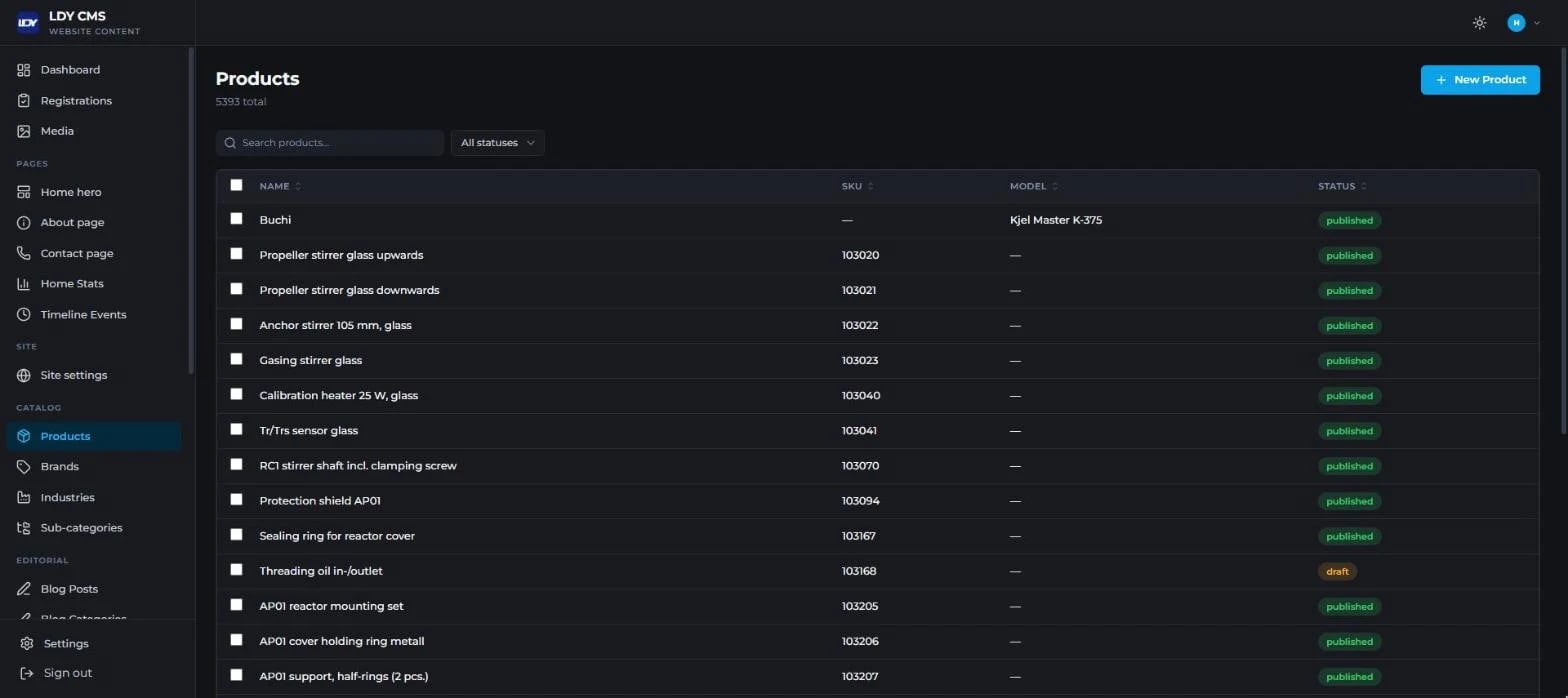
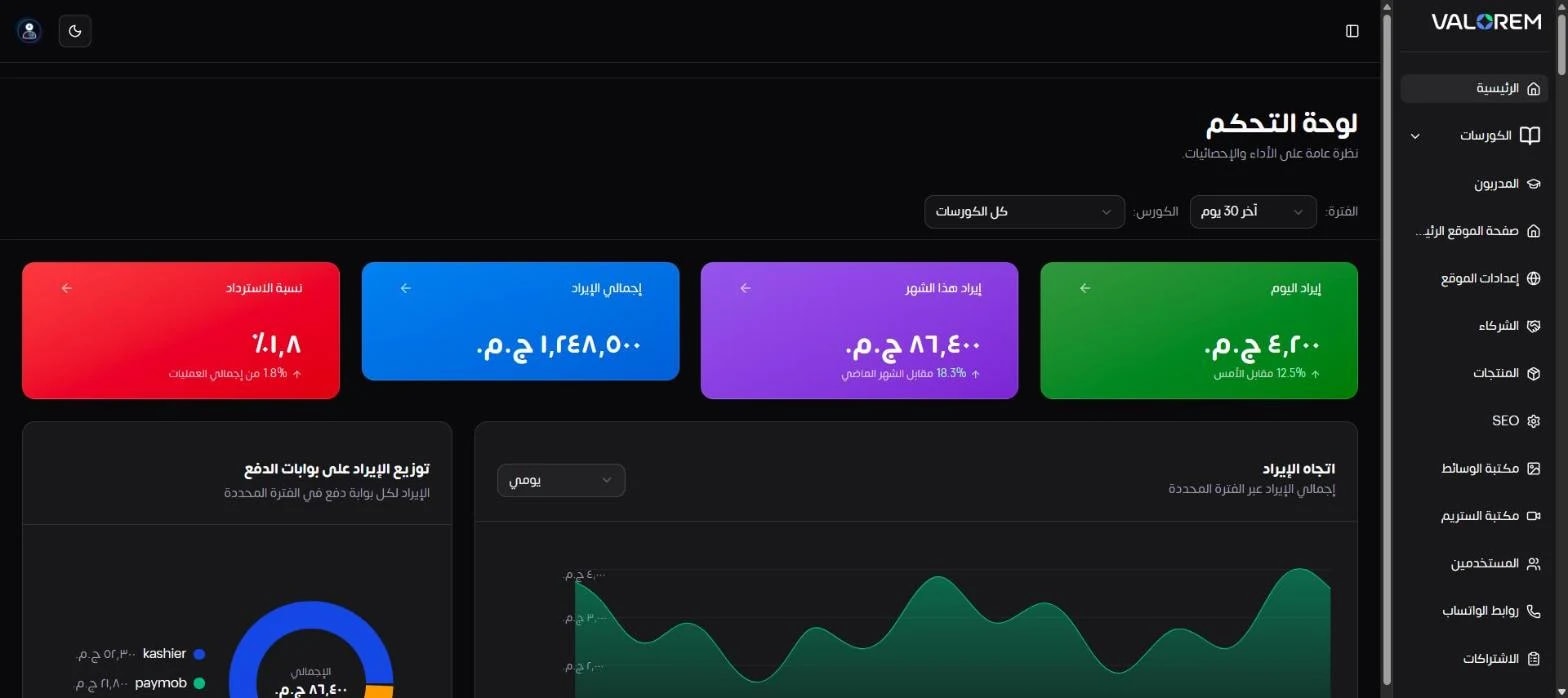
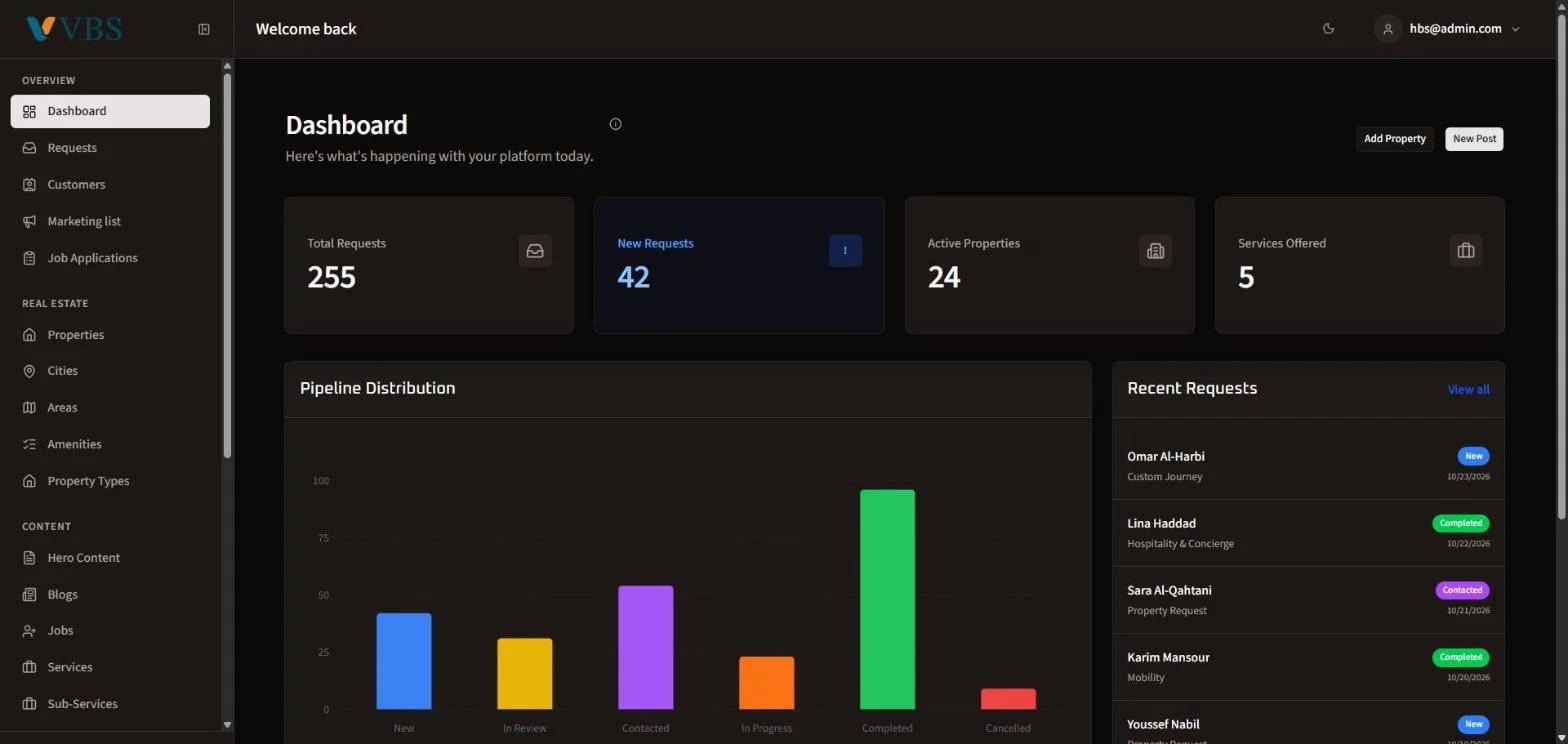
We treat our clients' confidentiality as part of the work itself, not only a clause on paper. When we show our work, such as the LDY CMS dashboard for Labib Demian Youssef & Co., the screens use sample data to protect the client's information. Inside the system itself we built a role-based permissions matrix and a full audit log of sign-ins, access changes and data exports, so management always knows who reached what, and when.
Legal details and fees in this article reflect the situation in November 2026 and may change; check the official source before you decide.
If you have a software quote or contract and want to be sure it protects you, or you are still preparing your project, tell us how your team works. We will sit down with you in a free discovery session and set out the scope and phases before any commitment, and you can learn more about HBS custom business software development.